
for her own good
Chronicles of Women and Madness
LONG TERM PASSION PROJECT | collection of vignettes | 2004-PRESENT
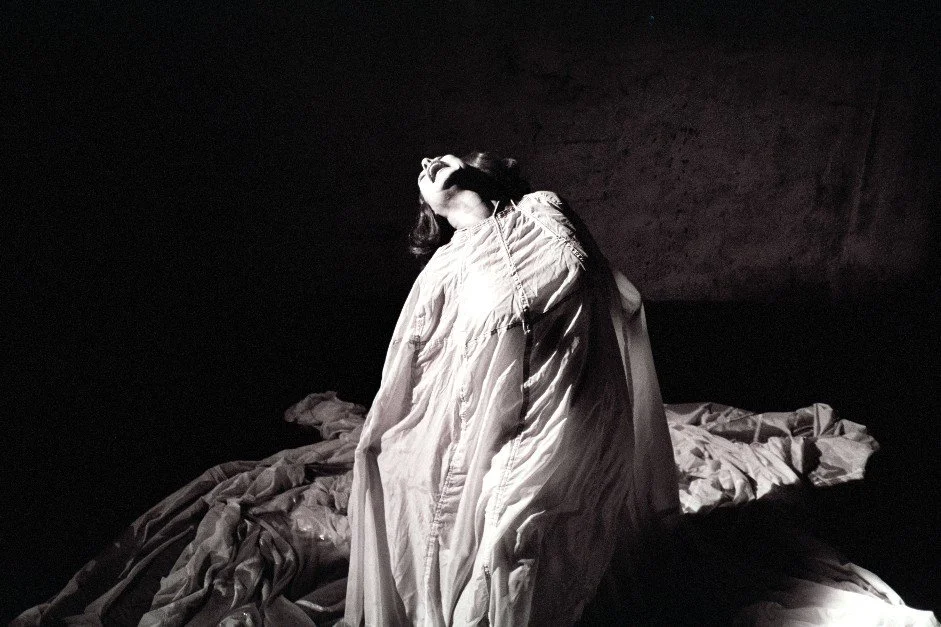
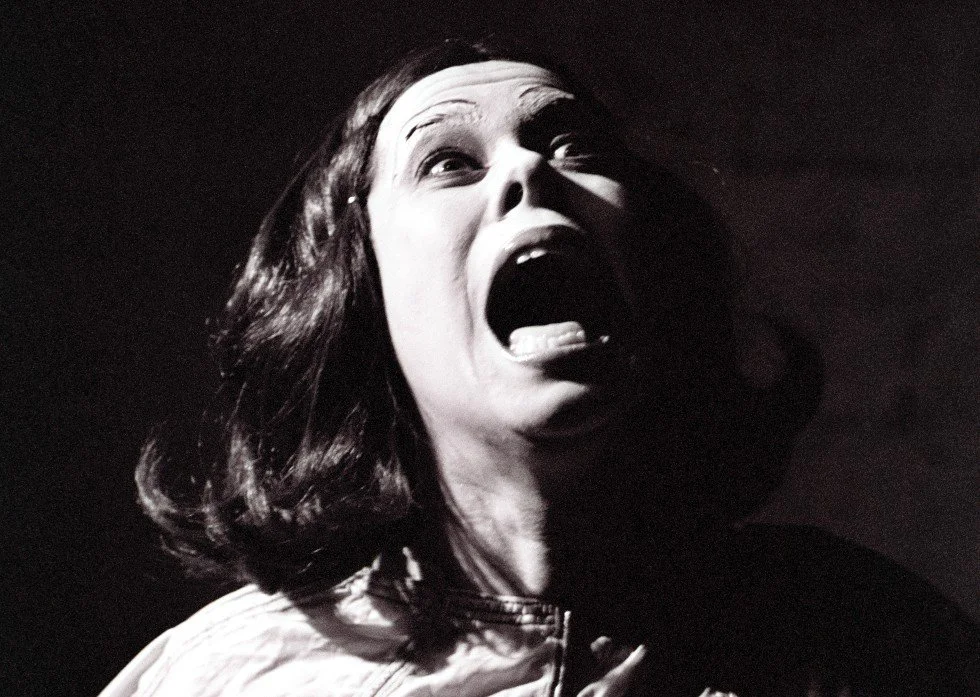
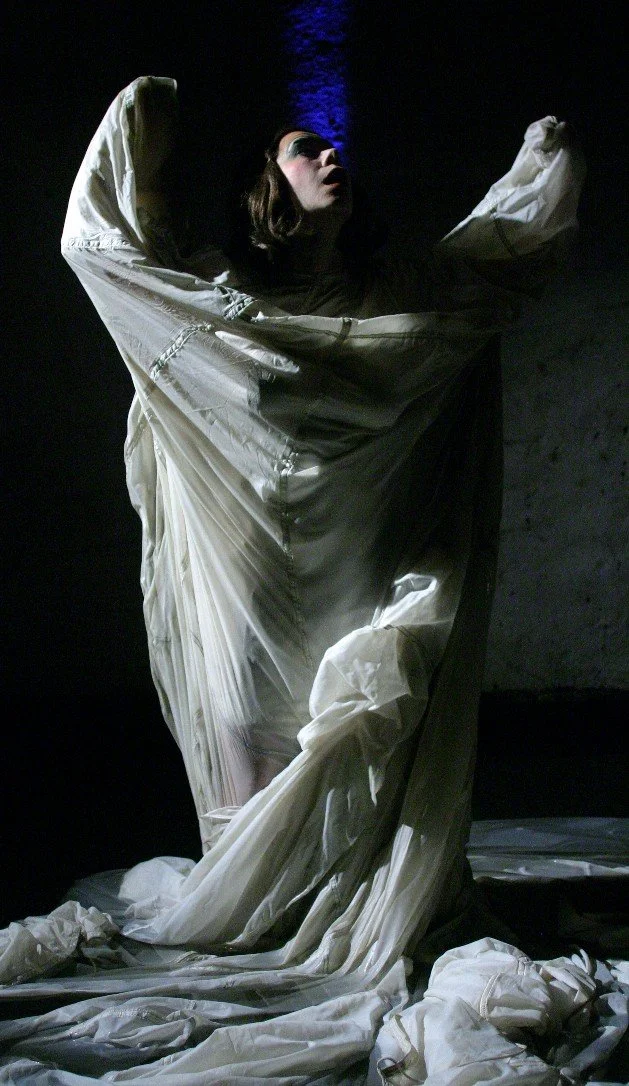
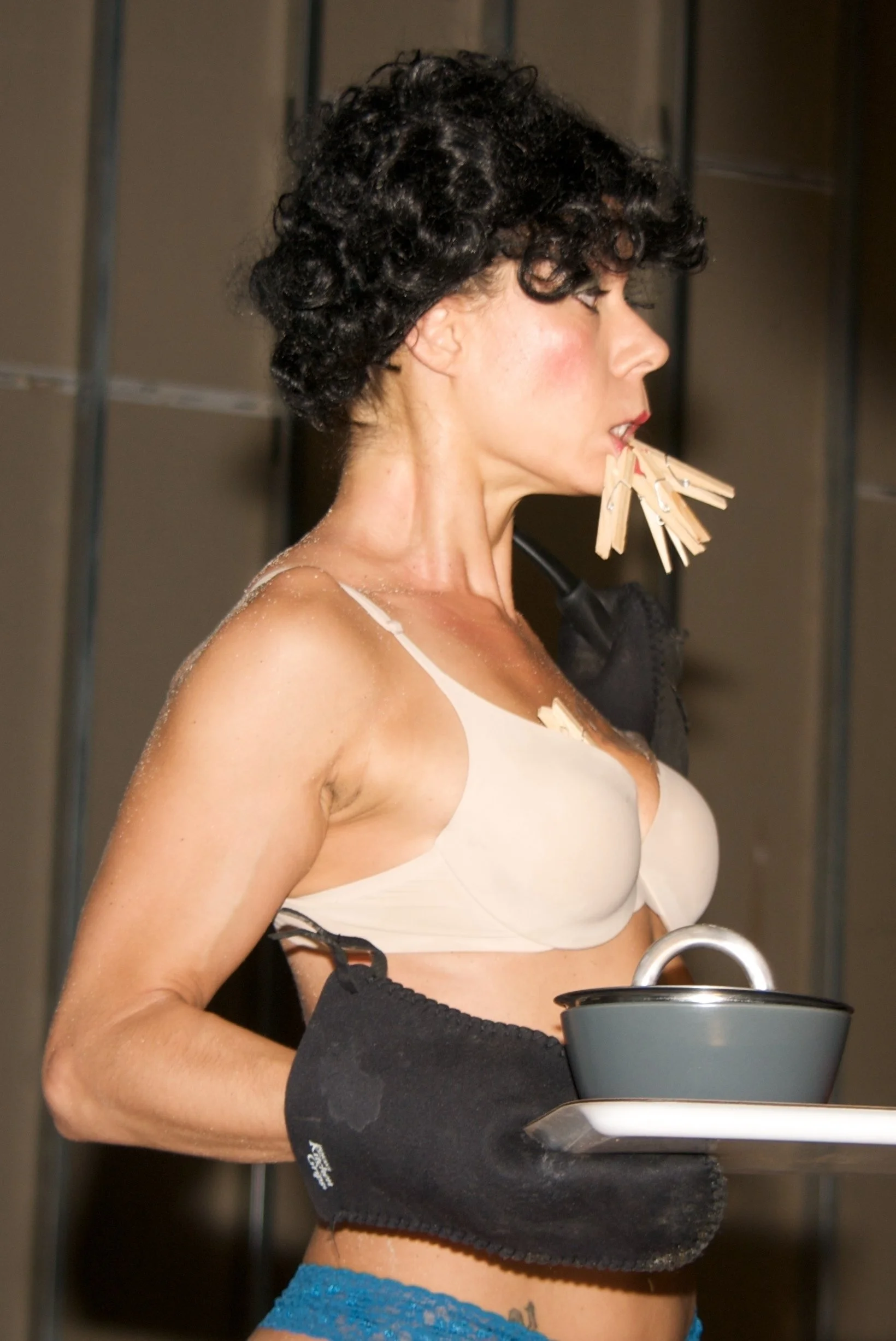
Spanning over 150 years, For Her Own Good: Chronicles of Women and Madness intertwines both well-known and anonymous first person historical accounts and fictional imaginings by and about insolent women locked inside cultural expectations and oftentimes in asylums against their will. Each vignette focuses on an era-specific gynecological ‘cure du jour’ that uncovers the misguided history of female sexuality and gendered madness. These long-forgotten voices (both brutal and funny) are brought back to life through distinct performance mediums.
I began conceiving For Her Own Good in the early 2000s, as I began exploring Butoh dance. From the start, I envisioned it as an interdisciplinary, multimedia one-woman stage show. More than twenty years later, after numerous performances of individual vignettes, it remains both an ongoing passion project and a living body of performance research, with the long-term vision of bringing the individual vignettes together into a fully realized work with additional dancers. Below are some places and contexts where selections from the project have been performed.
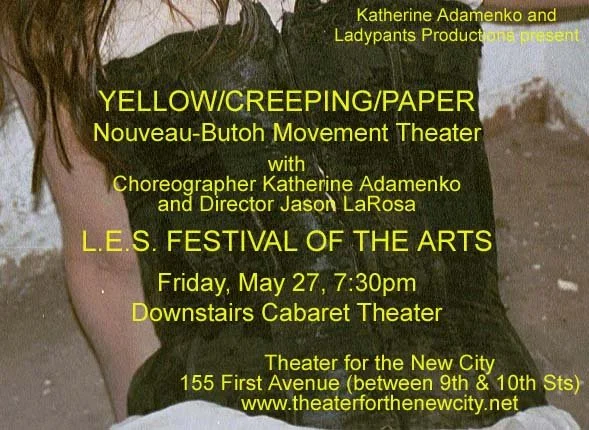
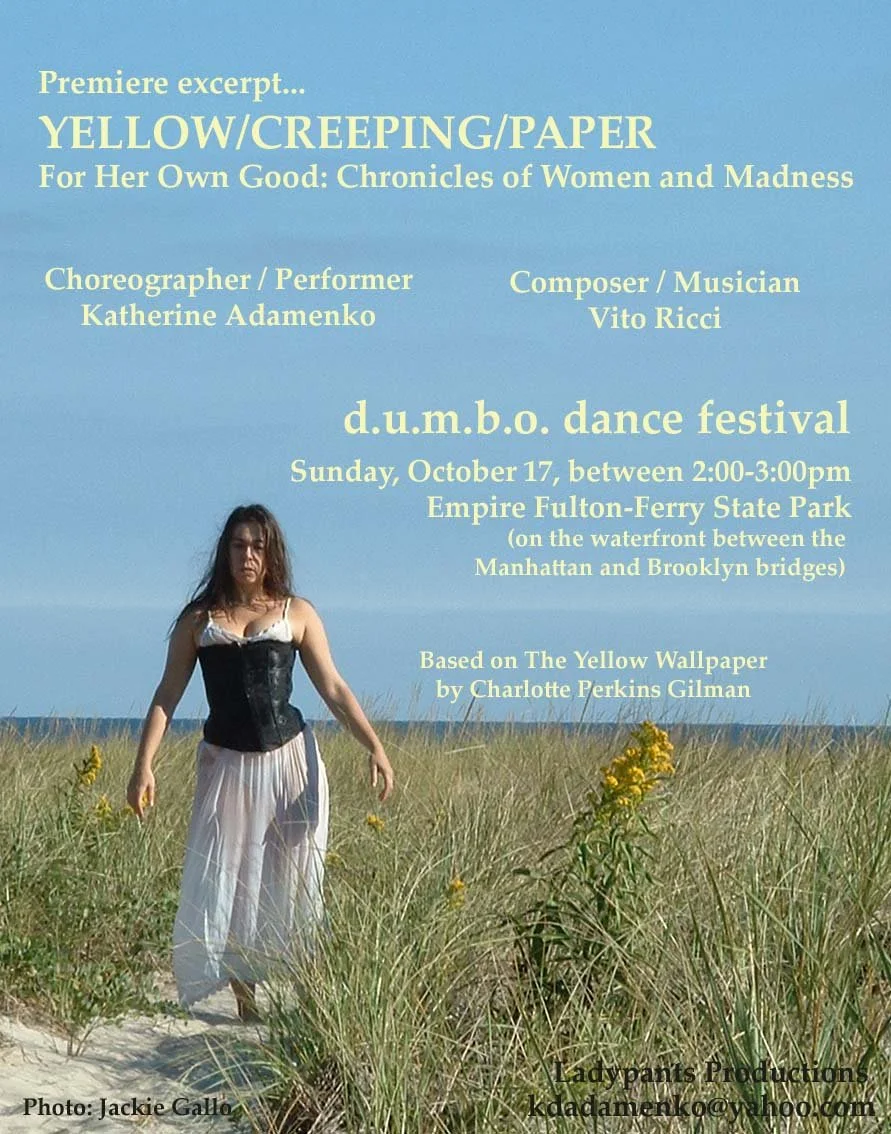
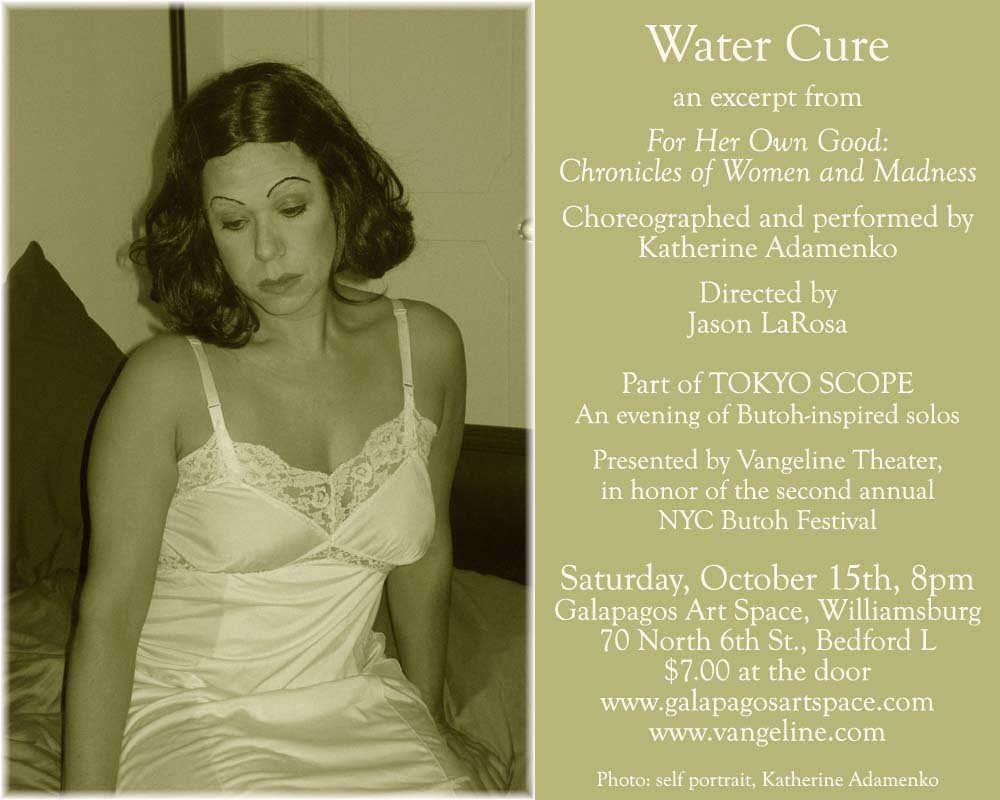
Developed over many years, the work has been further explored through FieldWork at The Field, NYC (2017), and HB Studios, while individual vignettes have been presented in a range of contexts, including the 2nd International Latinx Performance Art Festival in Seattle, WA; in NYC at Theatre for the New City, the DUMBO Dance Festival, and Galapagos Art Space; and as a site-specific performance in a sprawling basement loft in Yonkers, NY.
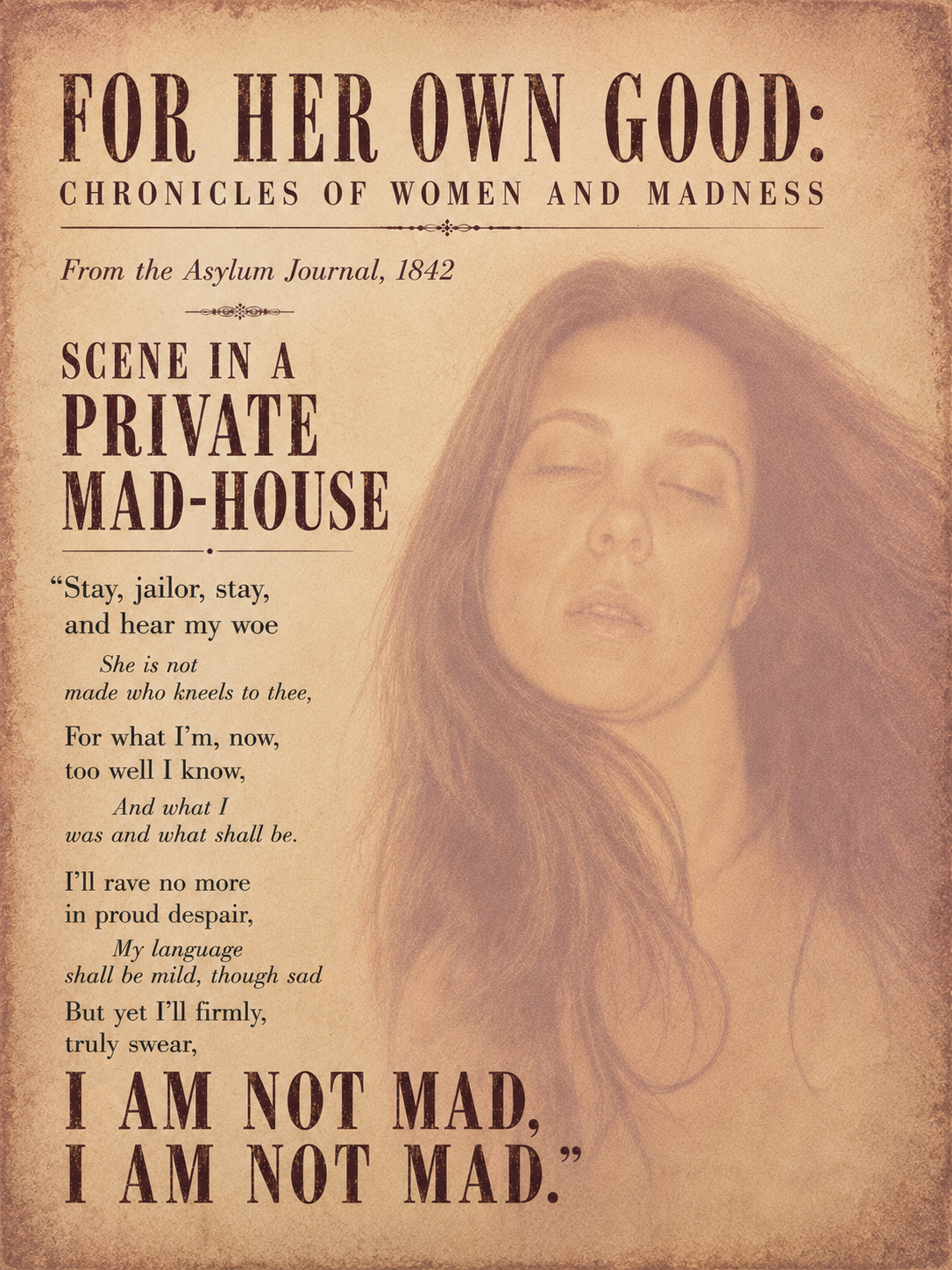
Scenes in a Private Madhouse: Spoken 1842 anonymous poem found in an asylum.
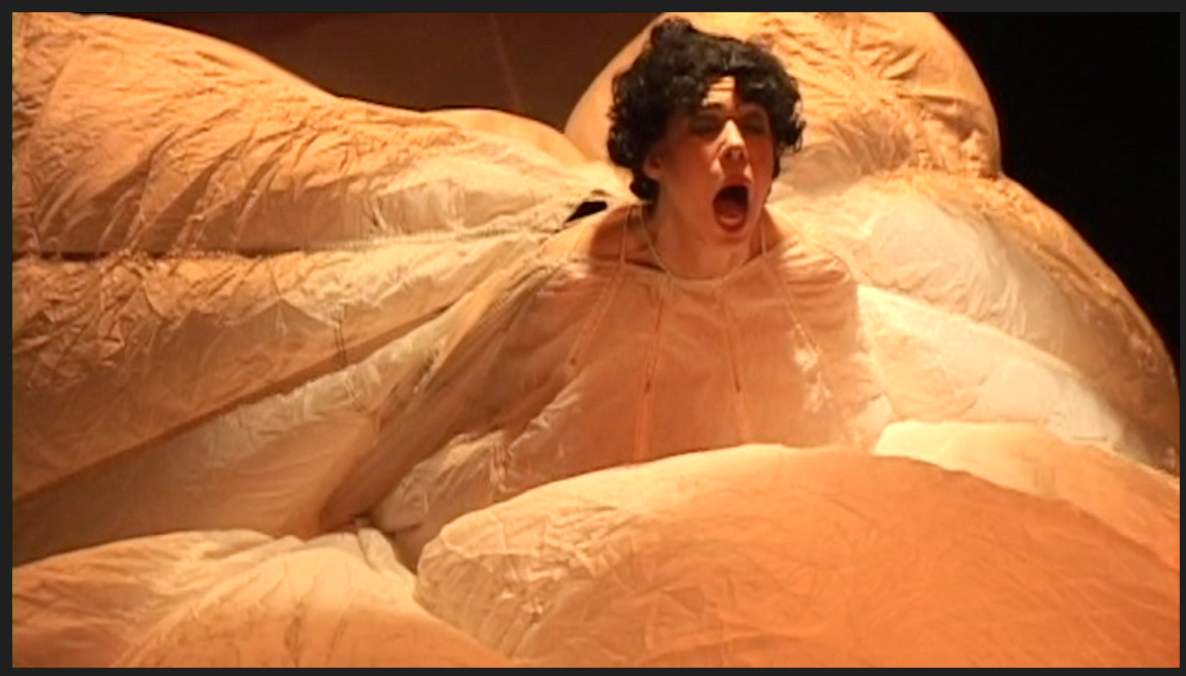
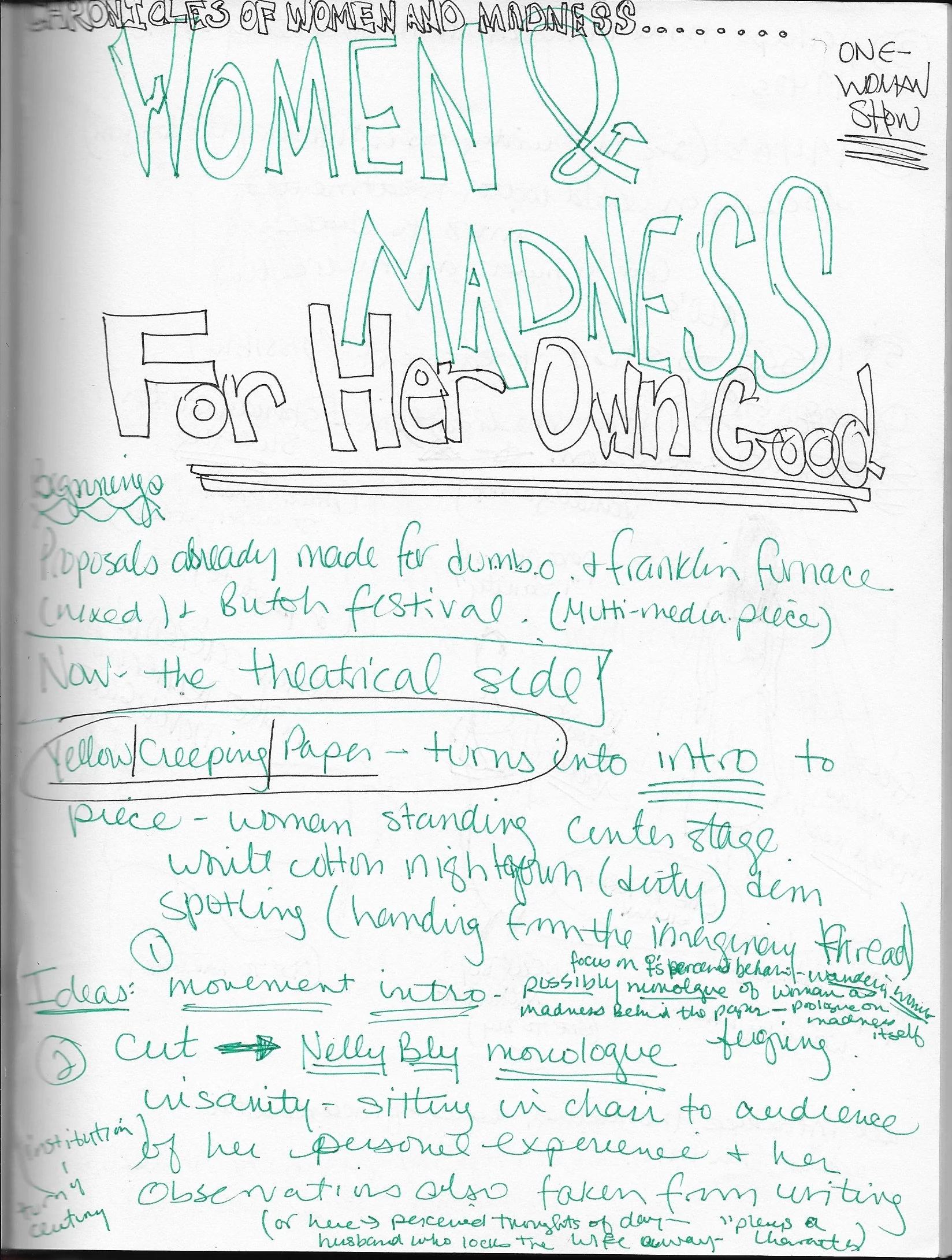
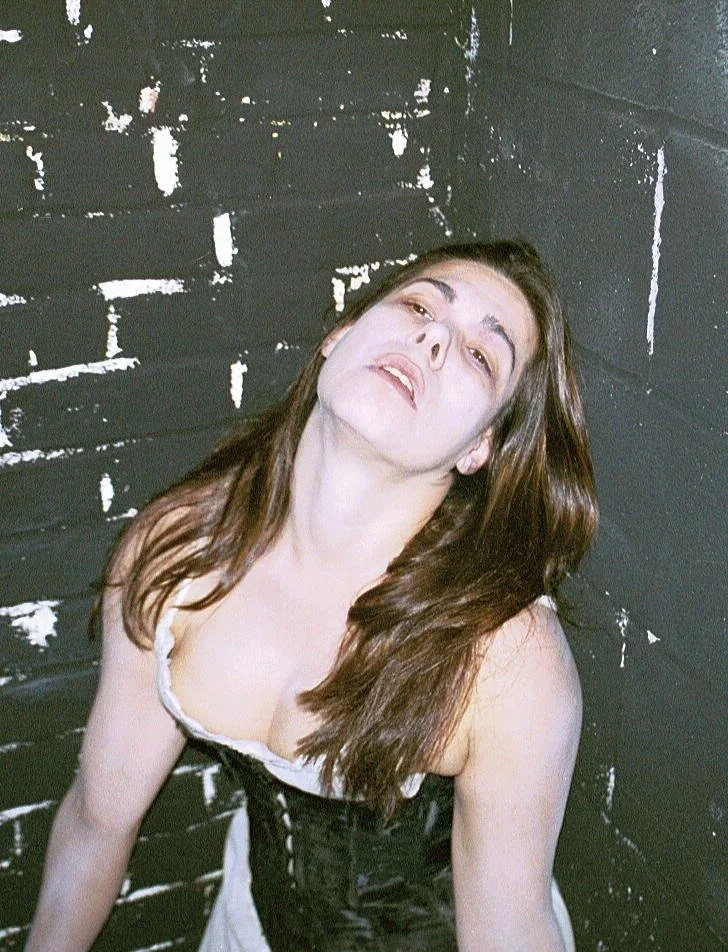
YELLOW/CREEPING/PAPER: Bringing Charlotte Perkins Gillman’s The Yellow Wallpaper to life through burog dance.
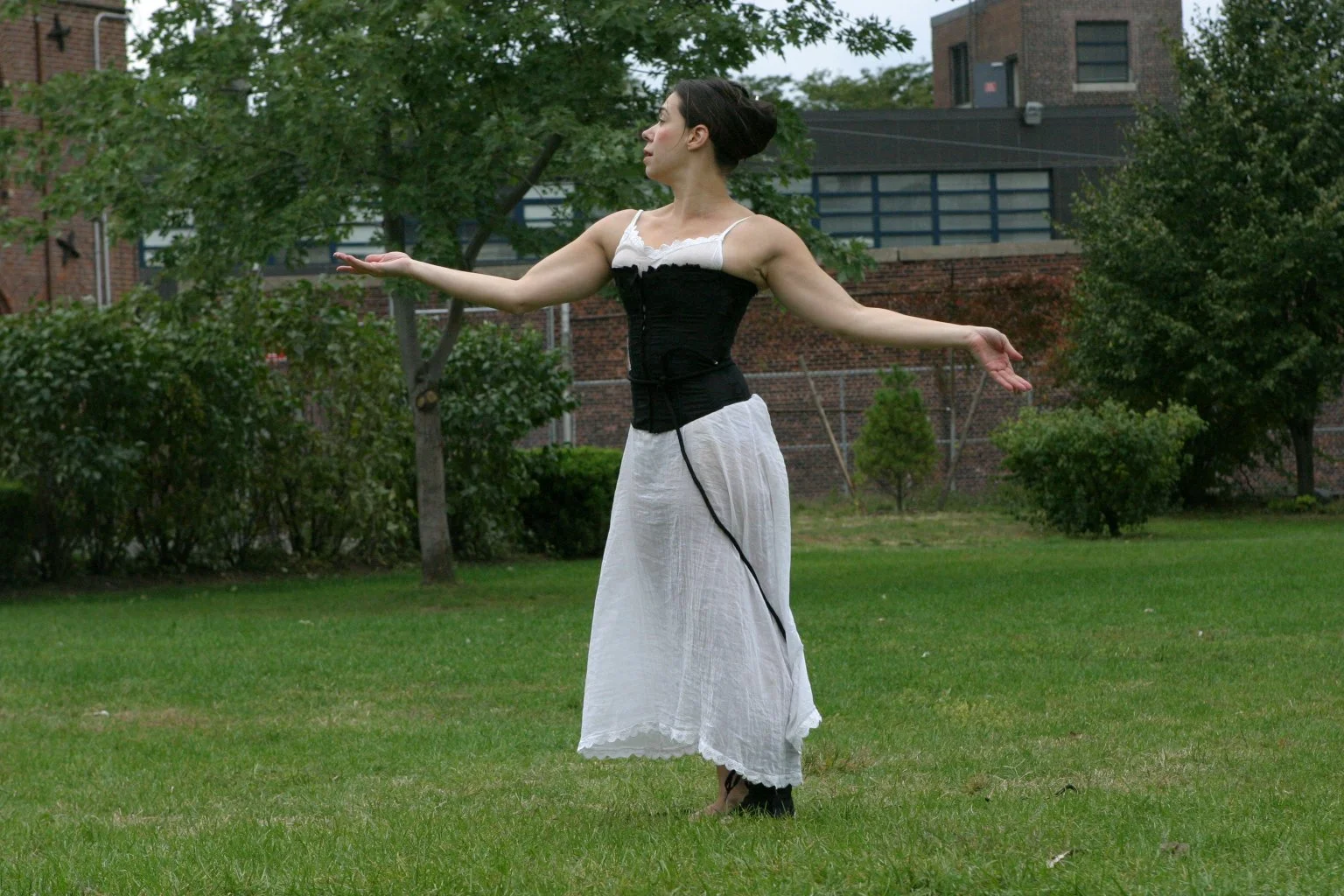
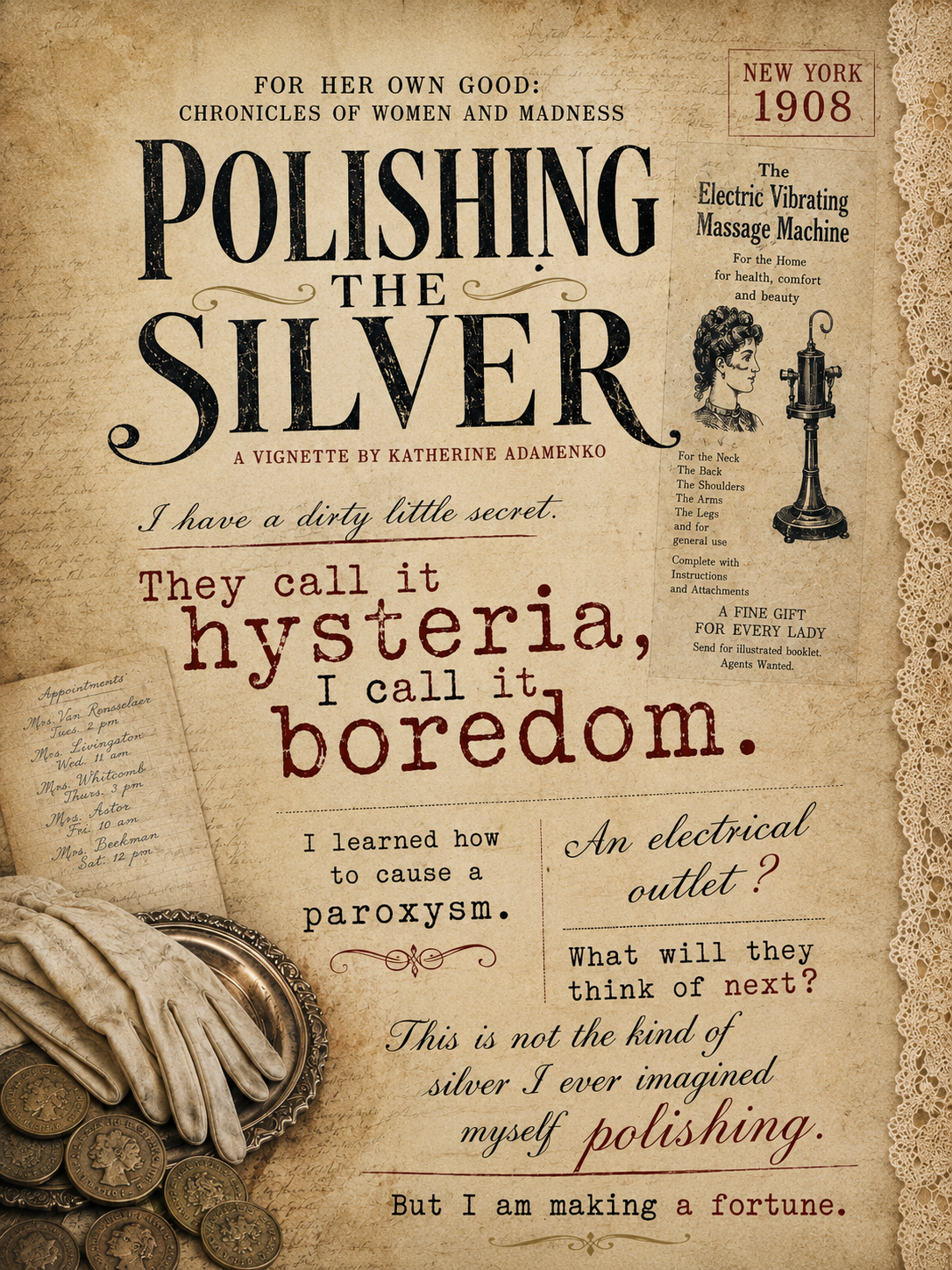
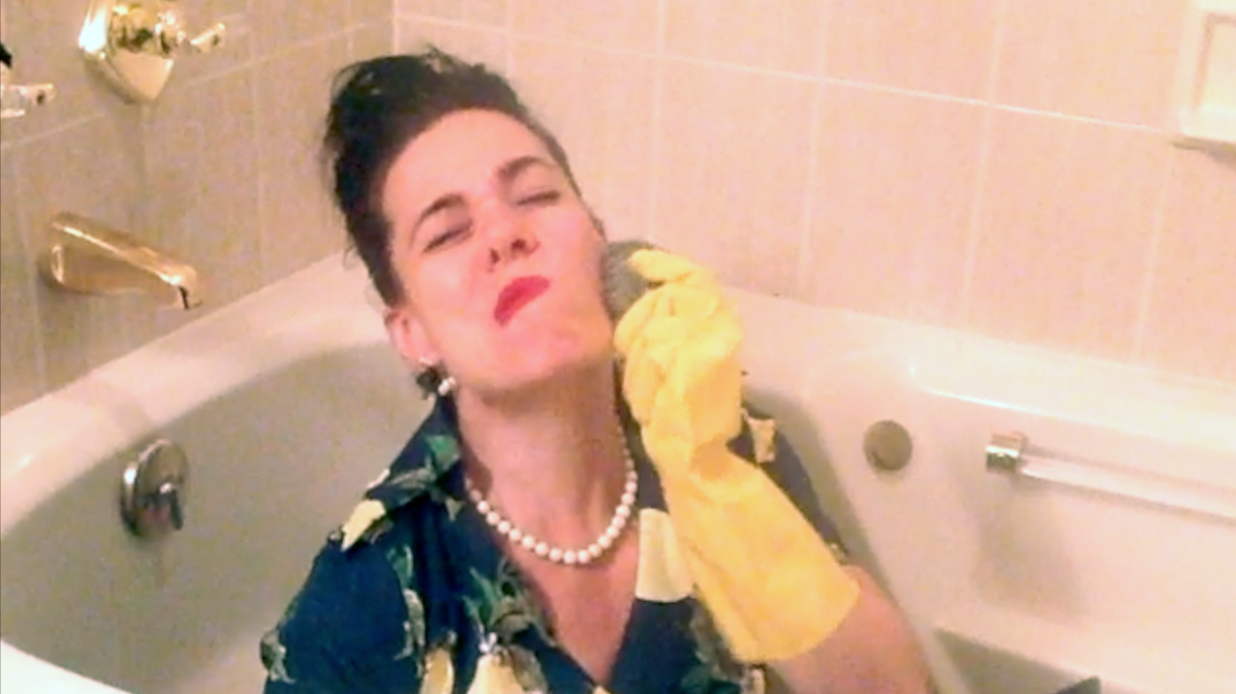
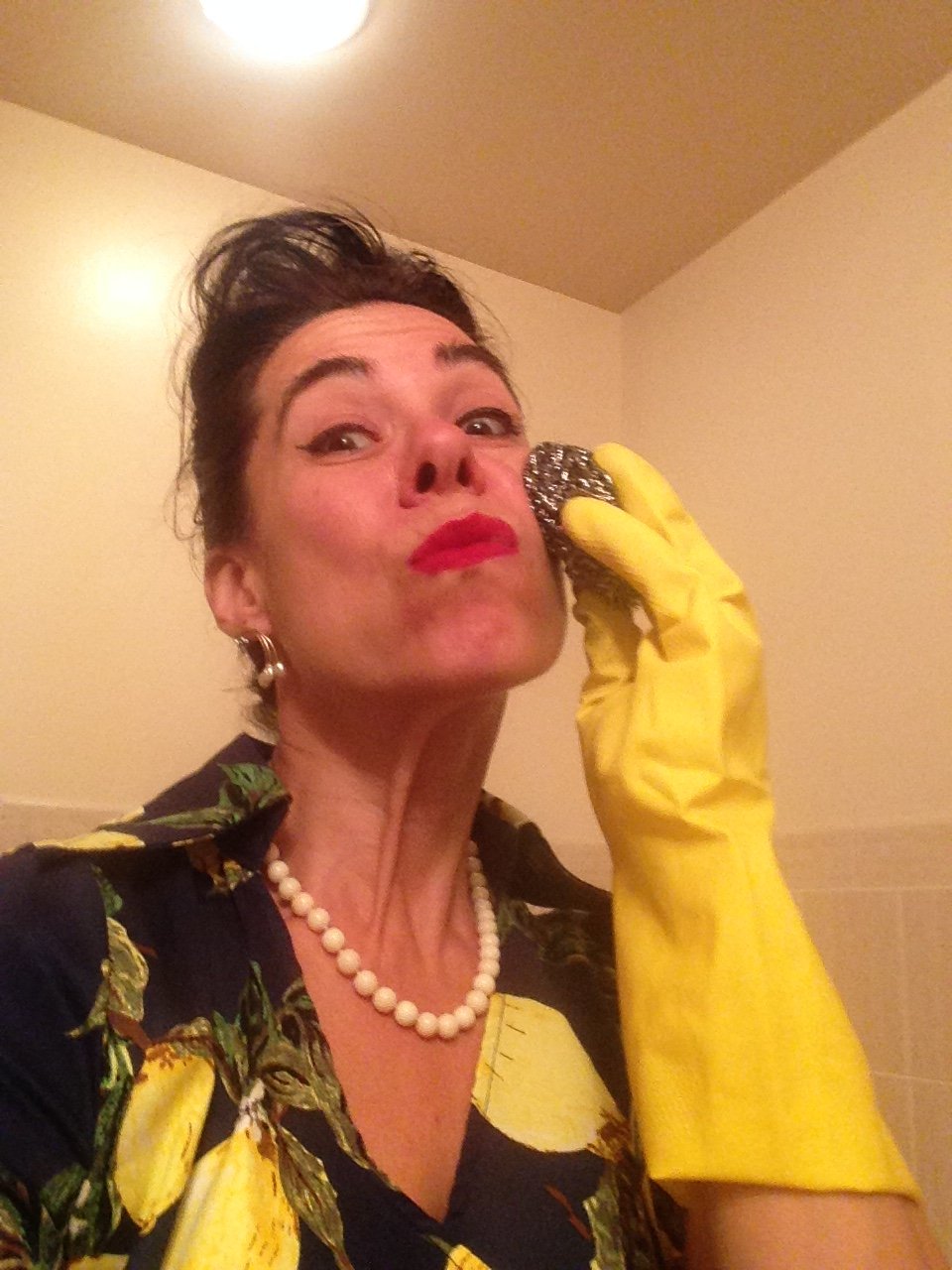
Polishing the Silver: An entrepreneurial maid capitalizes on hysteria and its cure at the turn of the 20th century.
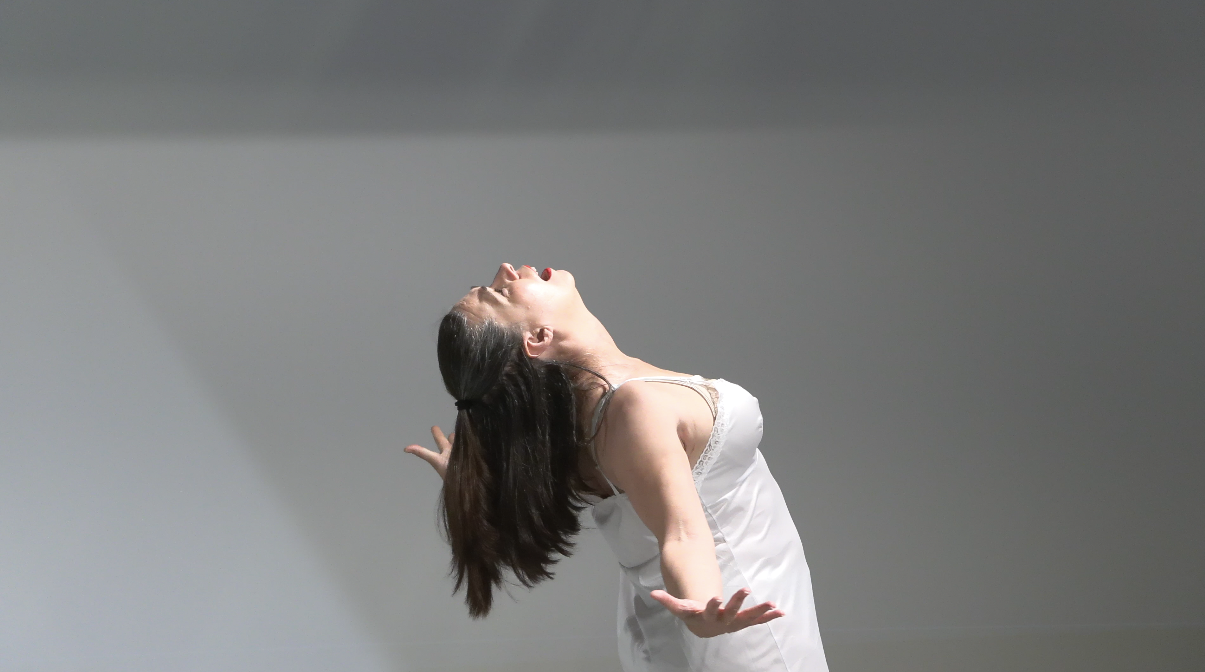
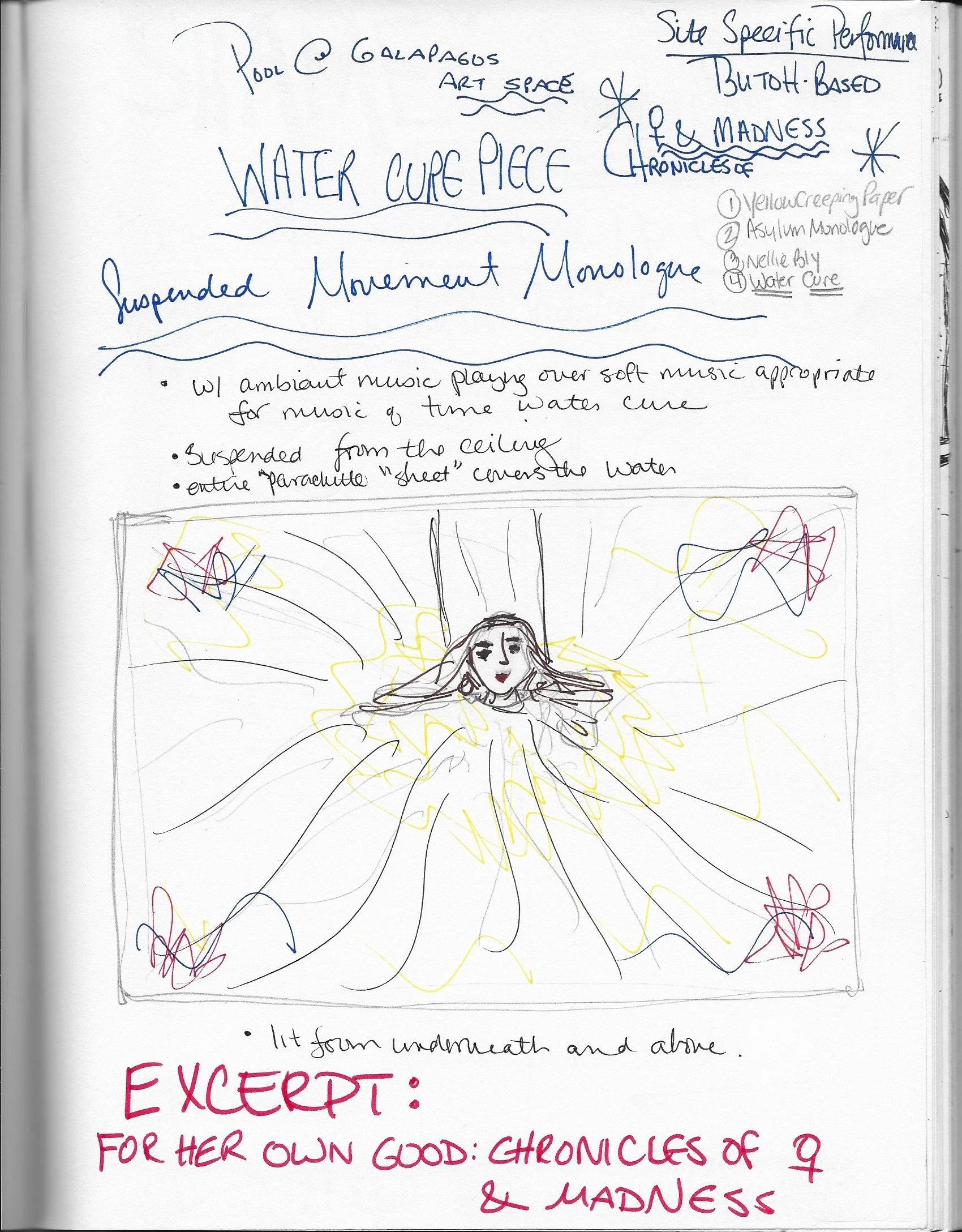
Water Cure, a Butoh work about the water emersion ‘cure-du-jour’ in 1930s America for women deemed “mad.”
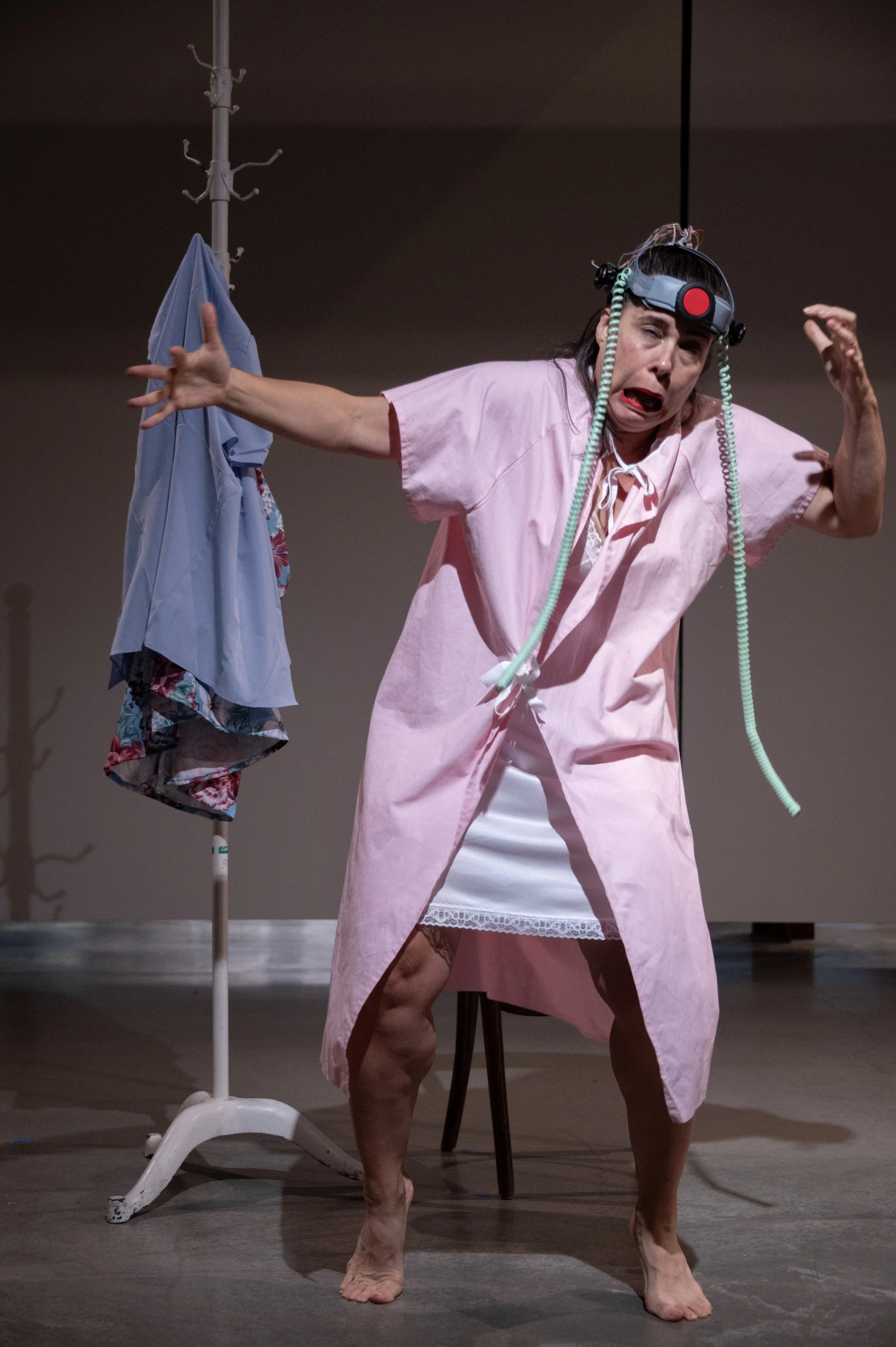
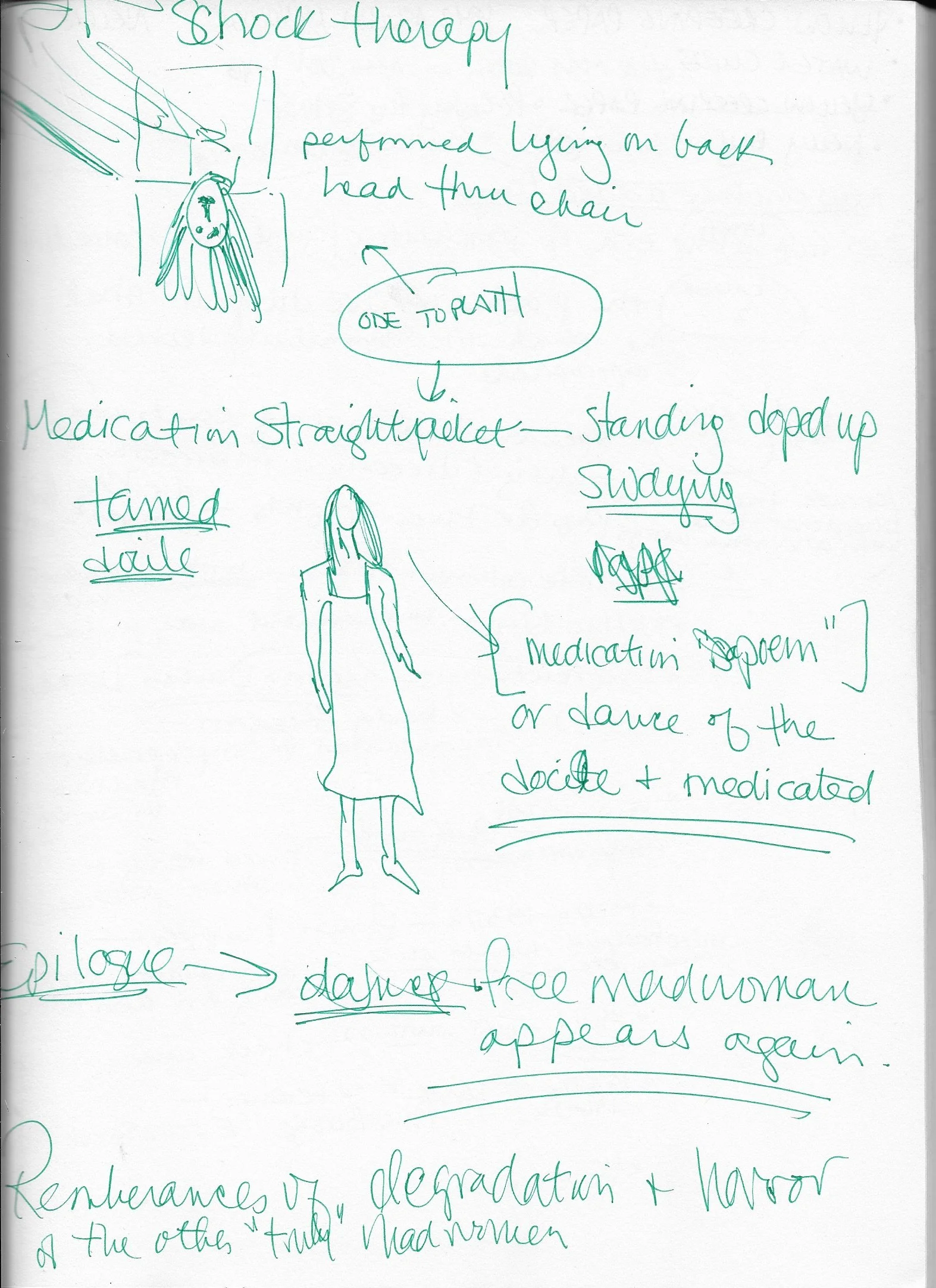
Shocked: “Putoh” piece exploring electro-shock therapy in the 1940s as a treatment for madness and mental disorders
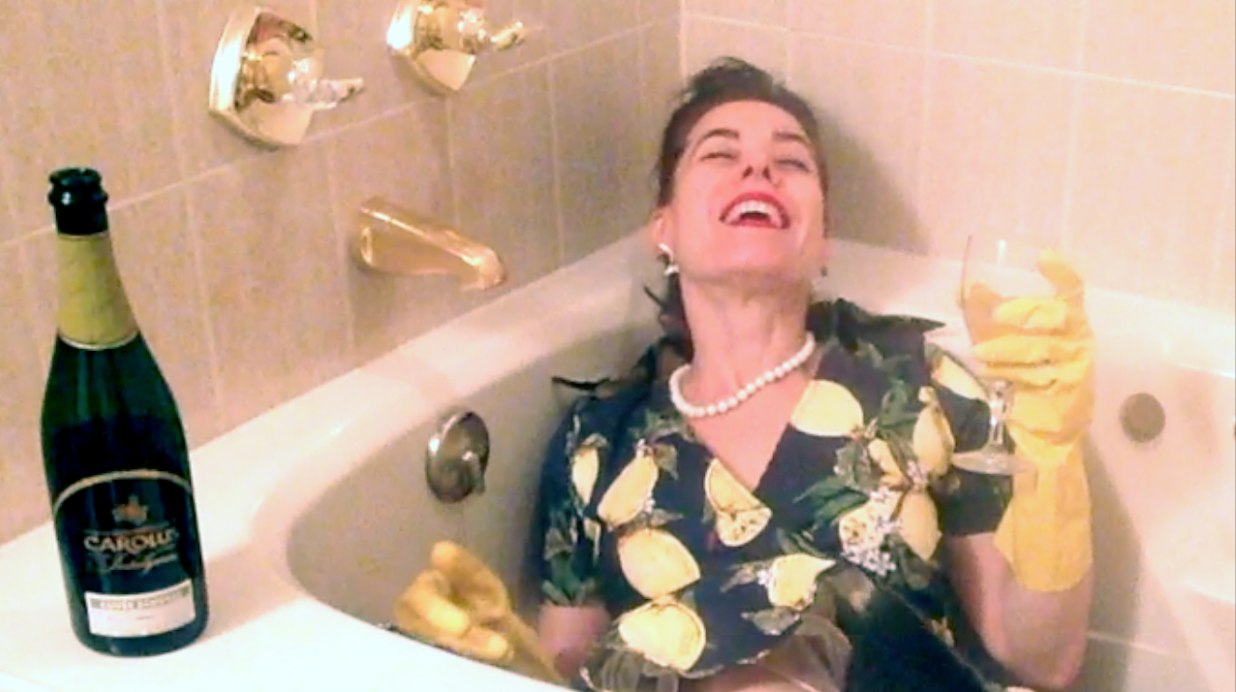
Magic Touch: A darkly comic vignette set in the era of the “magic pill,” medicating distress into silence.
MY PROCESS
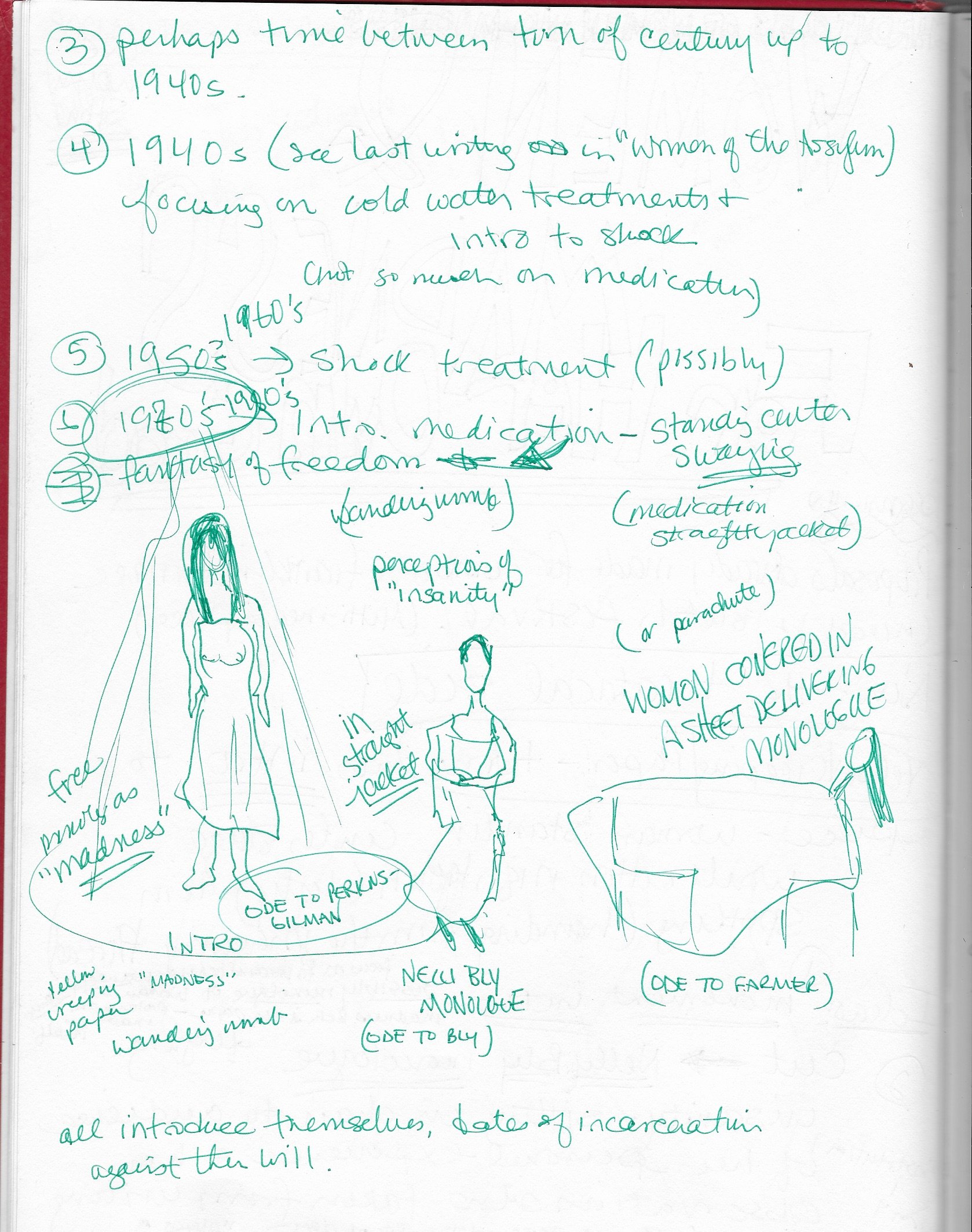
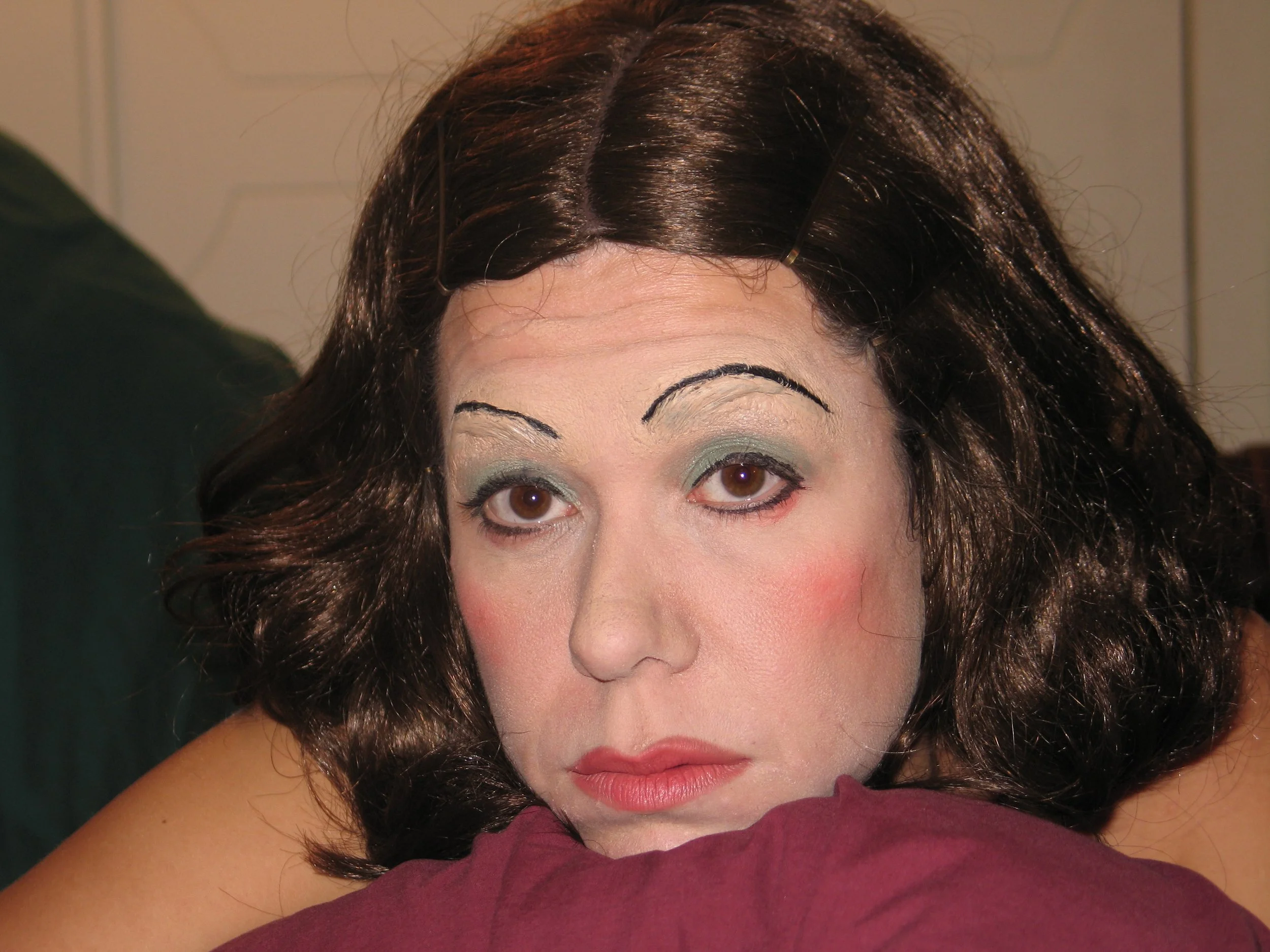
A historian at heart with a love of research, I draw from books, archives, first-person accounts, photographs, and cultural history. Alongside that, self-portraits for the camera, character studies, sketches, notes, costumes, and image-making help me discover the woman, movement, mood, and visual world of each vignette.

SELECTED RESEARCH & BIBLIOGRAPHY
Bly, Nellie. Ten Days in a Mad-House; or, Nellie Bly’s Experience on Blackwell’s Island. Norman L. Munro, 1887.
Chesler, Phyllis. Women and Madness. Four Walls Eight Windows, 1972.
Delaney, Janice, Mary Jane Lupton, and Emily Toth. The Curse: A Cultural History of Menstruation. E. P. Dutton & Co., 1976.
Didi-Huberman, Georges. Invention of Hysteria: Charcot and the Photographic Iconography of the Salpêtrière. Translated by Alisa Hartz. MIT Press, 2003.
Geller, Jeffrey L., and Maxine Harris, eds. Women of the Asylum: Voices from Behind the Walls, 1840–1945. Doubleday, 1994.
Gilman, Charlotte Perkins. The Yellow Wallpaper. Feminist Press, 1996.
Johnson, Heidi. Angels in the Architecture: A Photographic Elegy to an American Asylum. Wayne State University Press, 2001.
Maines, Rachel P. The Technology of Orgasm: “Hysteria,” the Vibrator, and Women’s Sexual Satisfaction. Johns Hopkins University Press, 1999.
Shannonhouse, Rebecca, ed. Out of Her Mind: Women Writing on Madness. Modern Library, 2003.
Wood, Mary Elene. The Writing on the Wall: Women’s Autobiography and the Asylum. University of Illinois Press, 1994.